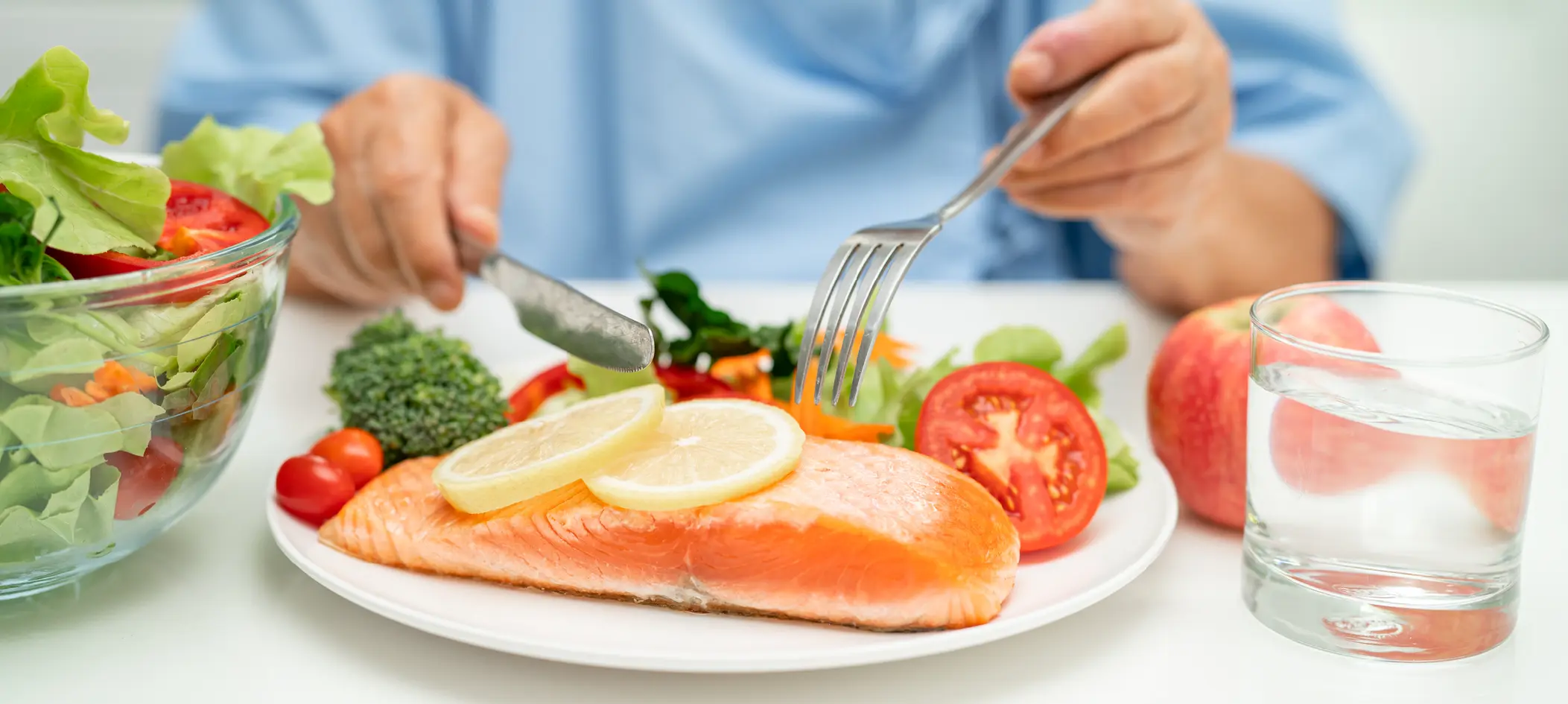
Do you often feel tired, bloated, or deal with recurring aches and pains that have no clear cause? What if your diet had something to do with it?
Chronic inflammation can quietly settle into the body without us even realizing it, and it can be a trigger for many illnesses and health conditions. But here’s the good news: you have more control than you think. And it all starts on your plate!
An anti-inflammatory diet isn’t a fad or a drastic solution. It’s a simple, delicious, science-backed way of eating that helps calm inflammation, support your immune system, improve digestion, and promote overall wellness.
Inflammation is your body’s natural response to injury or infection—a built-in defence mechanism. When something’s wrong, your body reacts quickly, sending in its “soldiers” (white blood cells, enzymes, and chemical messengers) to protect and repair the affected area. This is what we call acute inflammation, which is normal and helpful—your body doing its job.
The problem starts when the alarm stays on, even when there’s no real threat. That’s what we call chronic inflammation. It’s stealthy—no obvious symptoms at first—but over time, it can increase the risk of several conditions, including:
Your lifestyle habits—like diet, physical activity, and stress management—can either fuel the fire (inflammation) or help to put it out.
Fruits and veggies are powerful allies in the fight against inflammation. Rich in antioxidants, they help neutralize free radicals—harmful particles that damage our cells and drive inflammation. Aim for at least five servings a day.
Easy ways to add more fruits and vegetables to your meals:
2.1 Omega-3 fatty acids
Omega-3s are well-known for their anti-inflammatory benefits. You’ll find them in fatty fish (like salmon and sardines), flax and chia seeds, walnuts, and flaxseed or camelina oil.
Try this:
2.2 Unsaturated fats
Unsaturated fats—found in avocados, olives, olive oil, nuts, and seeds—are linked to protective effects against inflammation.
Incorporate them like this:
A quick note on olive oil:
According to research published in the International Journal of Molecular Sciences, extra virgin olive oil is especially rich in oleocanthal, a natural compound that works like a gentle anti-inflammatory—similar to how ibuprofen reduces inflammation, but without the side effects.
Not all olive oils contain the same amount of oleocanthal. It’s found mainly in high-quality, extra virgin (unrefined) olive oils, and its concentration depends on factors like the olive variety, extraction method, freshness, and overall oil quality.
Fun fact: A high-oleocanthal olive oil might cause a slight burning or tingling sensation in your throat when tasted plain—that’s actually a good sign!
3.1 Turmeric (Curcumin)
Curcumin is the active compound in turmeric, widely studied for its anti-inflammatory effects. Research suggests that the health benefits appear around 3,000–4,000 mg of curcumin, which is equivalent to 15–200 mL of ground turmeric—a large amount, making supplements a useful option. Speak with a registered dietitian before starting any supplement.
On top of that, curcumin isn’t well absorbed on its own. Pair it with black pepper (which contains piperine) or a fat source to boost its absorption.
3.2 Gingerol (Ginger)
Ginger doesn’t just add flavour—it’s also rich in gingerol, a powerful compound known for its anti-inflammatory, antioxidant, and antimicrobial properties. Add fresh or powdered ginger to soups, stir-fries, or teas for a simple and delicious health boost.
Plant proteins are excellent allies in reducing inflammation. You’ll find them in foods like tofu, tempeh, edamame, lentils, chickpeas, and beans. Eating more plant protein can also help reduce intake of processed meats, which tend to increase inflammation.
Inspiration to get started:
Whole grains like oats, brown rice, quinoa, barley, and whole wheat bread are loaded with fibre and nutrients that nourish the good bacteria in your gut. A healthy gut can help calm inflammation throughout the body.
Try this: Swap white rice for brown rice or quinoa in stir-fries, or start your day with homemade oatmeal topped with fruit and nuts.
You’ve likely heard of the Mediterranean diet—and if you’ve been following along, you may have noticed the overlap with anti-inflammatory eating. Multiple studies show that this dietary pattern helps reduce chronic inflammation and may prevent conditions like cardiovascular disease, diabetes, and even cognitive decline.
Added sugars and ultra-processed foods are some of the biggest contributors to chronic inflammation. They can trigger the release of cytokines—proteins that promote inflammation in the body.
Tips to cut back:
These fats—commonly found in fatty meats, fried foods, and packaged baked goods—are linked to increased inflammation and long-term health risks.
Healthier swaps:
An anti-inflammatory diet can truly make a difference in how you feel—now and in the future. By choosing inflammation-fighting foods and cutting back on the ones that fuel it, you’re investing in your long-term wellness.
Need advice or support to optimise your health? A dietitian can be your greatest ally!
Log in to your Bonjour-santé account or subscribe to access exclusive benefits! You can get quick, unlimited advice from Bonjour-santé’s registered dietitians, have your food journal reviewed, or enjoy a special discount on your first session with one of our partner dietitians at TeamNutrition.