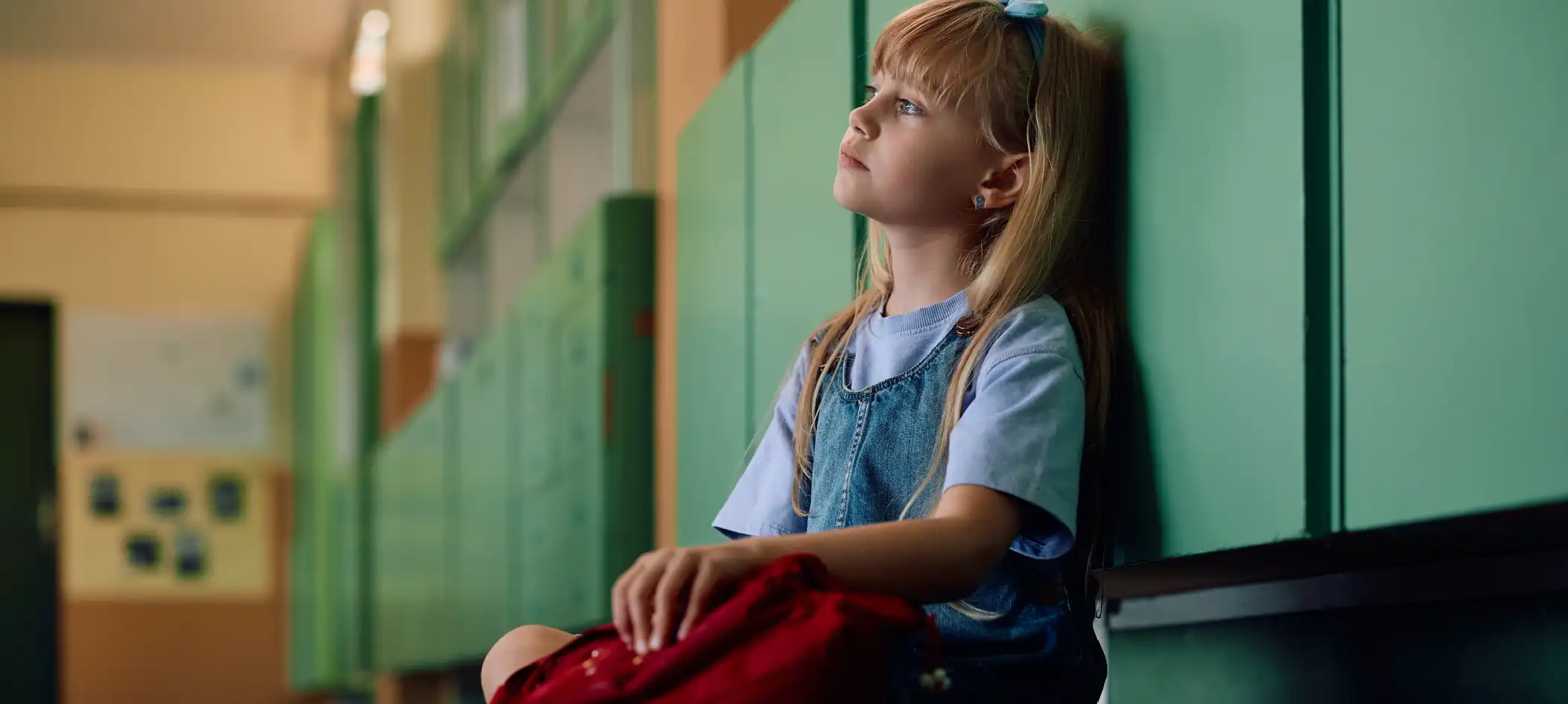
Summer break is all about freedom — late nights, lazy mornings, spontaneous outings, and a break from routines. But suddenly, September sneaks up. For some kids (and teens), the back-to-school season brings excitement: seeing friends again, getting back into routines, maybe even revisiting favorite subjects. For others, though, it’s the start of the back-to-school blues: low energy, anxiety, lack of motivation, and the occasional “mystery stomach ache.”
The good news? There are simple, practical ways to make this transition smoother and even help your child feel excited about heading back to class.
Here are 15 tips to ease the back-to-school transition and help your child — little or big — feel calm, confident, and ready to take on a new school year.
Early school mornings can be a shock after a summer of sleeping in. About two to three weeks before school starts, begin gradually shifting bedtimes and wake-up times earlier. Same goes for meals, snacks, and screen time.
This gentle transition helps your child’s body and mind get back into a rhythm, so the first day of school and the beginning of fall don’t feel like a crash landing.
Shopping for supplies together can actually spark excitement. Let your child pick out their own notebooks, water bottle, or a backpack they love. This gives them a sense of control and ownership.
For teens, it’s also a way to express or define their style and feel more confident as they head back into their social world.
Bonus: shopping together opens the door for casual conversations about what they’re hoping for (or nervous about) in the upcoming year.
Kids are more likely to focus when they have a calm, inviting space for homework. It doesn’t have to be a full-on study room; even a quiet corner with good lighting and minimal distractions (cell, tv) does the job.
Add a comfy chair, colorful supplies, maybe a visual timer for breaks, anything that makes the space feel approachable and not overwhelming. A welcoming setup helps build positive habits around studying and promotes independence.
“I don’t want to go back.” “What if I’m not in the same class as my friends?” These are real concerns. Never brush them off, let your child know you hear them. Try: “I get that you’re nervous. Starting something new can feel scary.”
Validating their emotions helps them feel seen and supported, and opens the door to talk through those worries together.
Remember that time they didn’t know anyone at camp but made a friend by day two? Or when they aced that oral presentation in history class?
Revisiting these little victories is a great way to boost their confidence and remind them that they’re capable of adapting — and thriving — in new situations.
Seeing familiar faces before heading back to school can make a big difference — especially for kids who tend to feel anxious. A simple playdate at the park, a visit to a friend’s house, or even a quick video call with a classmate can help reconnect and ease those back-to-school nerves.
For younger children, it’s a comforting reminder that their friends will be there, they won’t be alone, and that school is also a place for fun and making memories. For teens, reestablishing their social circle before the first day can ease feelings of isolation and help spark a bit more excitement about returning to class.
No need to pull out the workbooks to gently slide into “school mode”. Simple, fun activities can boost learning without kids even realising it.
Think: board games that use logic or math, bedtime reading together, or a treasure hunt that involves solving clues and counting steps. Even cooking together — like prepping school lunches — can be an educational activity (hello, fractions, measurements, and reading recipes!).
These playful moments help refresh key skills like reading, math, memory, and focus while keeping the vibe light and enjoyable.
Even during summer (and especially as school gets closer), keeping a few simple daily responsibilities can help kids feel useful, capable and even more ready to head back to class.
Age-appropriate tasks like setting the table, feeding a pet, folding laundry, or watering plants help build independence and a sense of organisation. These small routines also give structure to the day, a bit like the rhythm of school life.
And completing a task from start to finish gives a real sense of pride, a confidence boost they’ll carry with them, right into the classroom.
Creating a small back-to-school ritual can turn a stressful moment into a comforting memory. A special dinner the night before school starts, an annual photo at the front door, a note tucked into their lunchbox, or a relaxing walk after the first day… These simple gestures help set a positive tone for the year ahead.
Rituals provide a sense of structure and reassurance, letting kids know they’re supported during this transition. And over time, they often become cherished family traditions everyone looks forward to.
A few days before school starts, practice your morning routine: wake-up, breakfast, getting dressed, packing the bag, and/or even walking or driving to school or daycare if possible.
This dress rehearsal helps kids visualise what to expect and cuts down on chaos or surprises on the big day.
For little ones who feel a bit anxious, a small, discreet “calm kit” tucked into their backpack can make a big difference. The idea is to include a few soothing or comforting items: a smooth stone, a tiny stuffed animal, a family photo, an encouraging note (“You’ve got this! I love you!”), a stretchy rubber band, or a favorite little toy.
These simple sensory or emotional tools can help your child feel grounded, manage their feelings, and regain a sense of safety when they’re away from home.
Back-to-school season — especially for younger kids — comes with a flood of all things new: new faces, new routines, new teachers, new expectations. And all that change can be exhausting, especially in those first few weeks.
In the evenings, try to carve out some downtime with no demands: quiet coloring, building with Lego, a cozy reading nook, a warm bath, or simply lying down and doing absolutely nothing. This calm, low-stimulation time helps your child decompress, process the day, and avoid meltdowns from pure fatigue. Rest is a key part of the adjustment process.
Especially for teens, getting involved in an activity isn’t just about “keeping busy after school”; it’s a chance to discover new skills, feel a sense of purpose, be part of a group, and build meaningful social connections. It could be soccer, drama, improv, chess, choir, or even a board game club.
What matters most is that it’s something they enjoy. Sometimes, just one hour a week is enough to boost self-confidence, spark motivation, and make the transition back to school feel a lot smoother.
A quick note in the planner, a friendly hello at pickup, or a casual check-in early in the year can go a long way in building trust. Staying in touch with your child’s teacher(s) helps you better understand how they’re adjusting, what their strengths are, where they might need support, and what keeps them motivated.
For your child, knowing that their “go-to adults” (parents and teachers) are communicating and working as a team is incredibly reassuring. It creates a sense of emotional and educational continuity that helps them feel safe and supported.
Every back-to-school season comes with its share of emotions, ups and downs, and surprises, both good and bad. There will be tough mornings, forgotten lunchboxes, tears upon waking, or running late. And that’s totally normal. What really matters isn’t striving for perfection, but being present, listening, and adjusting with kindness.
Remind your child (and yourself) that everyone makes mistakes, and it’s not about performance; it’s about connection, safety, and unconditional love.
The start of a new school year is a big transition. For some, it’s exciting; for others, it’s overwhelming — and for many, it’s a bit of both. Every child (and teen) experiences this shift differently, with their own mix of emotions, fears, hopes, and resistance.
As a parent, your role isn’t to fix everything, but to walk beside them with patience, reassurance, and the calm reminder that you’ve got their back.
Need more guidance? Bonjour-santé members have unlimited access to our team of nurses, who are happy to chat and support you with questions around mental or physical health.
Happy back to school!