May 17, 2025 marks World Hypertension Day. This is a day to raise public awareness of the importance of prevention, detection and control of hypertension, a health condition that is as widespread as it is discreet. This year's theme, “Measure your blood pressure accurately, control it, live longer”, is a reminder that a few simple steps can make all the difference.
Hypertension, or “high blood pressure”, is when the pressure of blood against the walls of the arteries is too high, usually without you realising it. That's why it is often referred to as the “silent killer”. In the long term, untreated high blood pressure can damage the heart, kidneys, blood vessels and even the brain. It significantly increases the risk of cardiovascular disease, stroke and kidney failure.
There are two main types of hypertension:
Most people with high blood pressure have no symptoms. That being said, very high blood pressure can sometimes cause:
But remember: the absence of symptoms does not mean the absence of danger. That's why it's essential to measure your blood pressure regularly.
Certain factors increase your chances of developing high blood pressure:
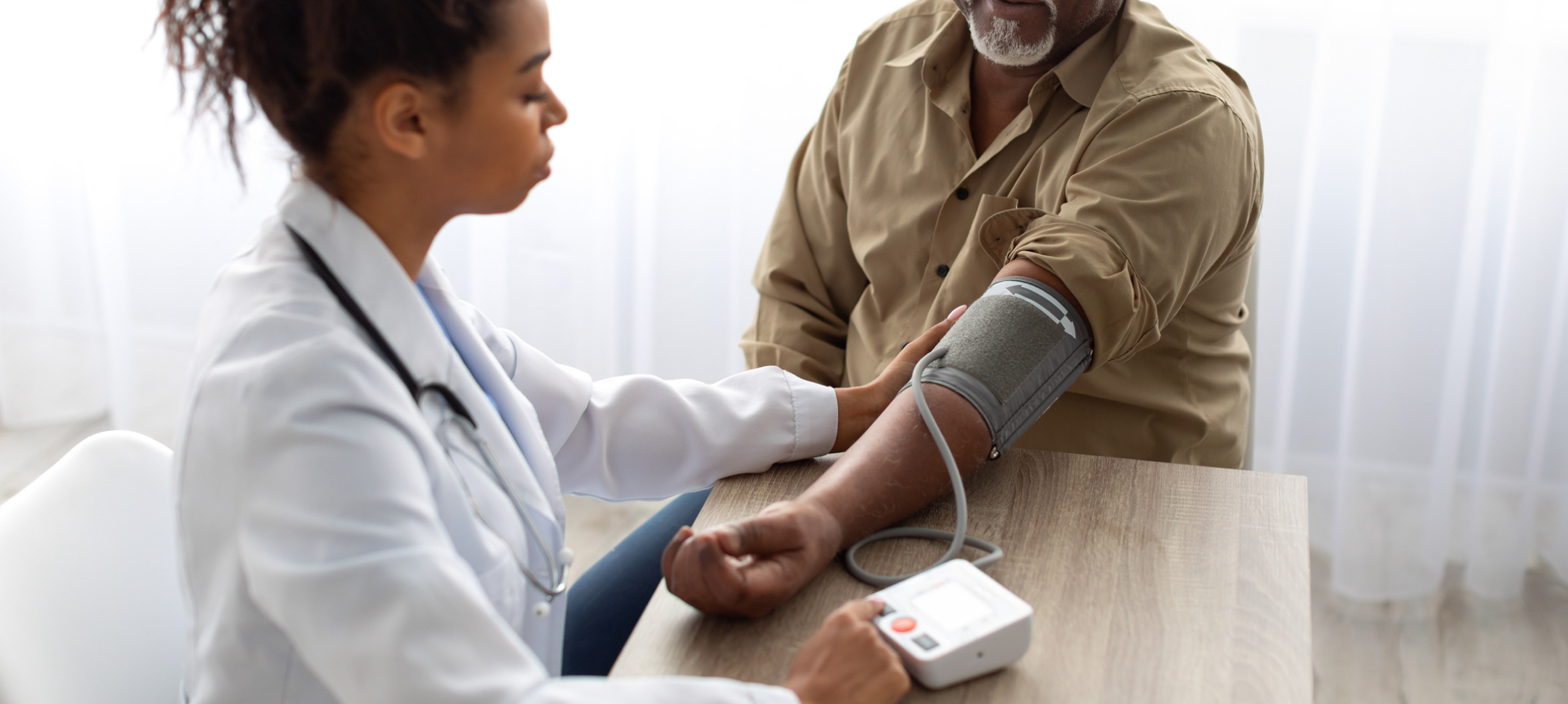
Hypertension is measured using a blood pressure cuff, either at a health professional's, a pharmacy or at home. For reliable results, you need to take several readings at different times. Your blood pressure can vary depending on stress, physical activity or the time of day. That's why a simple figure is not enough.
Here are the general guidelines:
The first number refers to the pressure in the arteries when the heart contracts to pump blood. This is known as systolic pressure. The second number refers to the pressure when the heart is at rest, between two beats. This is called diastolic pressure.
Blood pressure is considered high if either or both of these figures exceed the recommended guidelines.
The good news is that you can do something about it! Here are a few simple but effective tips for preventing high blood pressure:
Nearly 8 million people in Canada live with high blood pressure and many are unaware of it. If you act early, you can protect your heart, your brain and your quality of life.
On this World Hypertension Day, take a moment to measure your blood pressure... and encourage your friends and family to do the same. It's a small gesture, but a big step towards a longer, healthier life.
Need a little help? With the Bonjour-santé membership, you have unlimited access by e-contult to our team of nurses who can advise you and answer your health-related questions. You can also send quick questions to our nutritionists for tips and advice on healthy eating, or have your food diary evaluated!