Nutrition advice

5 simple tips to reduce food waste

22/9/2026
3 min

‍

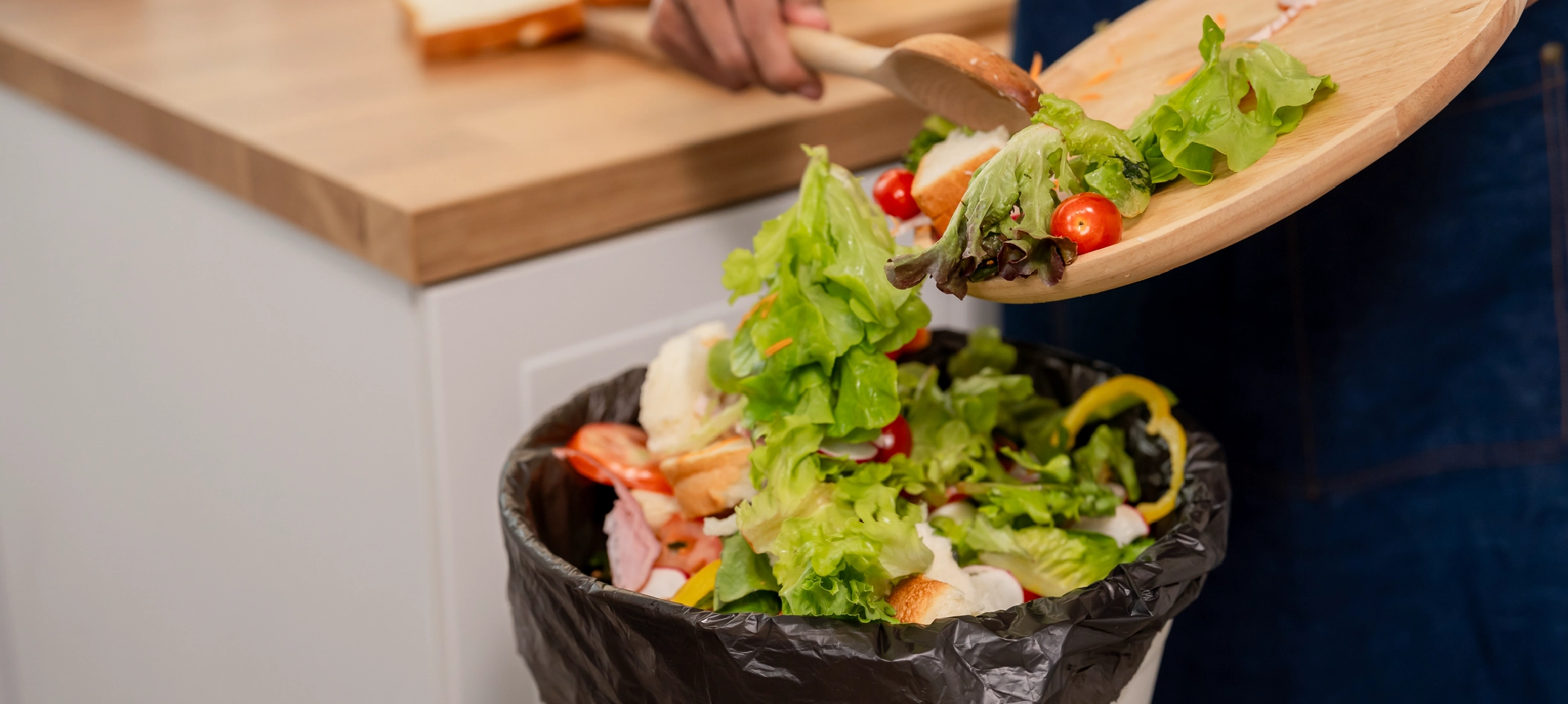
When we think about food waste, we often picture a head of lettuce turning brown in the back of the fridge or a yogurt that's past its expiration date. But that's only part of the story. Food waste actually starts at the grocery store and continues at home. Between impulse purchases, oversized portions that end up in the trash, and leftovers we forget to eat, it's surprisingly easy to waste more food than we realise. And the problem goes beyond the food itself.

We're also throwing away water, energy, money (especially with grocery prices always going up)… and all the work that went into producing those foods. Not to mention that all this waste leaves an environmental footprint that could easily be avoided.

The good news? You don't have to completely overhaul your habits to make a real difference. A few simple changes can go a long way toward reducing food waste in your everyday life. In this article, ÉquipeNutrition's registered dietitians share five practical tips you can start using today to waste less food.

‍

Key facts!

In Quebec, approximately 1.2 million tonnes of still-edible food are wasted every year. This represents a major environmental impact, but also significant financial losses: on average, every household throws away nearly 140 kg of food per year, which is the equivalent of about $1,300!

Reducing food waste is therefore both a concrete action for the environment... and your wallet!
‍

1. Plan your meals

A few simple strategies can change the game before you head to the grocery store:
‍

  • Take inventory: Before you even set foot in the grocery store, take the time to make a list of what is in your cupboards, your fridge and your freezer. This saves you from buying doubles and allows you to plan meals based on what you have on hand!

  • Check your schedule: Adapt your planning to your schedule. How many meals do you plan to eat at home this week? Do you need a quick dinner because you’ll be working late one night or because kiddo has a soccer game?

  • Make a weekly menu: Find recipes to use the food you already have at home. To make life easier, use recipe websites that allow you to search by ingredients.
  • Look at flyers in advance: This allows you to plan your meals based on what is on sale and avoid impulse buys once you're there.

  • Create a grocery list: Write down only the foods you really need and strive to stick to it. Use an app that allows you to collaborate and share the list in real-time with members of your household.

Tip! Be realistic when planning your menu. Most of the time, planning 3 to 4 different meals for the week is more than enough, filling in with quick options based on what you have available at home.
‍

2. Shop smart

  • Buy in moderate quantities: Large formats aren't advantageous if part of it ends up in the trash, especially for perishable foods like fruits and vegetables.

  • Favor bulk: A good way to buy only the necessary quantities, for foods used occasionally or to discover new ones.

  • Take advantage of anti-waste apps: Platforms like FlashFood, FoodHero, or Too Good To Go allow you to buy imperfect foods or those close to their expiration date at a low price—a win for the environment and your wallet.

3. Optimise storage

Proper food storage extends freshness, limits losses, and avoids unnecessary waste. A few simple habits can make all the difference daily.
‍

  • Organise your refrigerator: Place foods that need to be eaten quickly at the front.

  • Store food properly: Use airtight containers for leftovers and note preparation dates.

  • Respect storage durations: Learn about storage times and watch for foods nearing the end of their shelf life.

  • Freeze strategically: Portion food according to use, label them with the date, and place newer items in the back to encourage rotation. Cook meals that freeze easily to preserve surplus and save time!

  • Plan a "freezer" evening: Regularly use frozen foods and leftovers to prevent them from accumulating.
    ‍

4. Cook "Zero Waste"

Here are some tricks to make the most of food, or even reuse it!
‍

  • Eat leftovers in your meals or lunches instead of throwing them away. Prepare ready-to-go portions to simplify busy days.

  • Transform leftovers into new meals: Reuse a base you've already cooked to create something else (meal bowl, stir-fry, gratin, salad, sandwich, etc.).

  • Use overripe fruits in smoothies, compotes, muffins or homemade desserts.

  • Give a second chance to vegetables that are wilted, bruised, or less crisp by incorporating them into soups, sauces, or stir-fries.

  • Cook all parts of the food: Peels, stems, tops, and leaves can often be eaten and integrated into different recipes (broth, juice, soup, etc.).

  • Prepare homemade broths with your vegetable scraps, bones, or carcasses to create a flavorful stock to use in soups, sauces, or stewed dishes.

  • Flavor your water naturally with citrus peels, strawberry tops, or cucumber slices.
    ‍

5. Share your surplus

If you have too much food, consider donating your surplus to a neighbor or loved ones. Do a good deed by donating your goods to a food bank or by finding community fridges near you!
‍

Need help? Consult a nutritionist dietitian

Reducing food waste is not about striving for perfection, but rather adopting small daily habits that make a real difference.

Want to go further? Our nutritionist dietitians can accompany you in optimizing your food organization (menu, grocery list, etc.) and adapting your habits to your reality. Make an appointment today for personalised advice!

By subscribing or logging into your Bonjour-santé account, you take advantage of member services. You also benefit from exclusive benefits, such as unlimited ad-hoc advice with Bonjour-santé nutritionists and a discount on your first consultation with a nutritionist-dietitian from our partner, ÉquipeNutrition.

‍

What are the basic steps for reducing food waste at home?

What can you do with leftovers to avoid throwing them away?

Which foods are most often wasted?

25%
discount on an evaluation by a dietitian-nutritionist
Need nutritional counselling, support or plan? Book an appointment with our ÉquipeNutrition partner in just a few clicks. E-consult or in person.
‍
Paid service, 25% discount on the evaluation.
‍
Ask questions to our dietitians-nutritionists - FREE for members
This service is ideal for members who have quick questions or need general advice that do not require a nutritional evaluation, counselling or follow-up.

Questions are answered within 72 h.
Nutrition advice

5 simple tips to reduce food waste

TeamNutrition
|
22/9/2026
3 min

Feeling dizzy when you stand up? Here's why

Bonjour-sante
|
8/9/2026
3 min

20 quick and easy recipes for a stress-free back-to-school season

TeamNutrition
|
28/8/2026
4 min