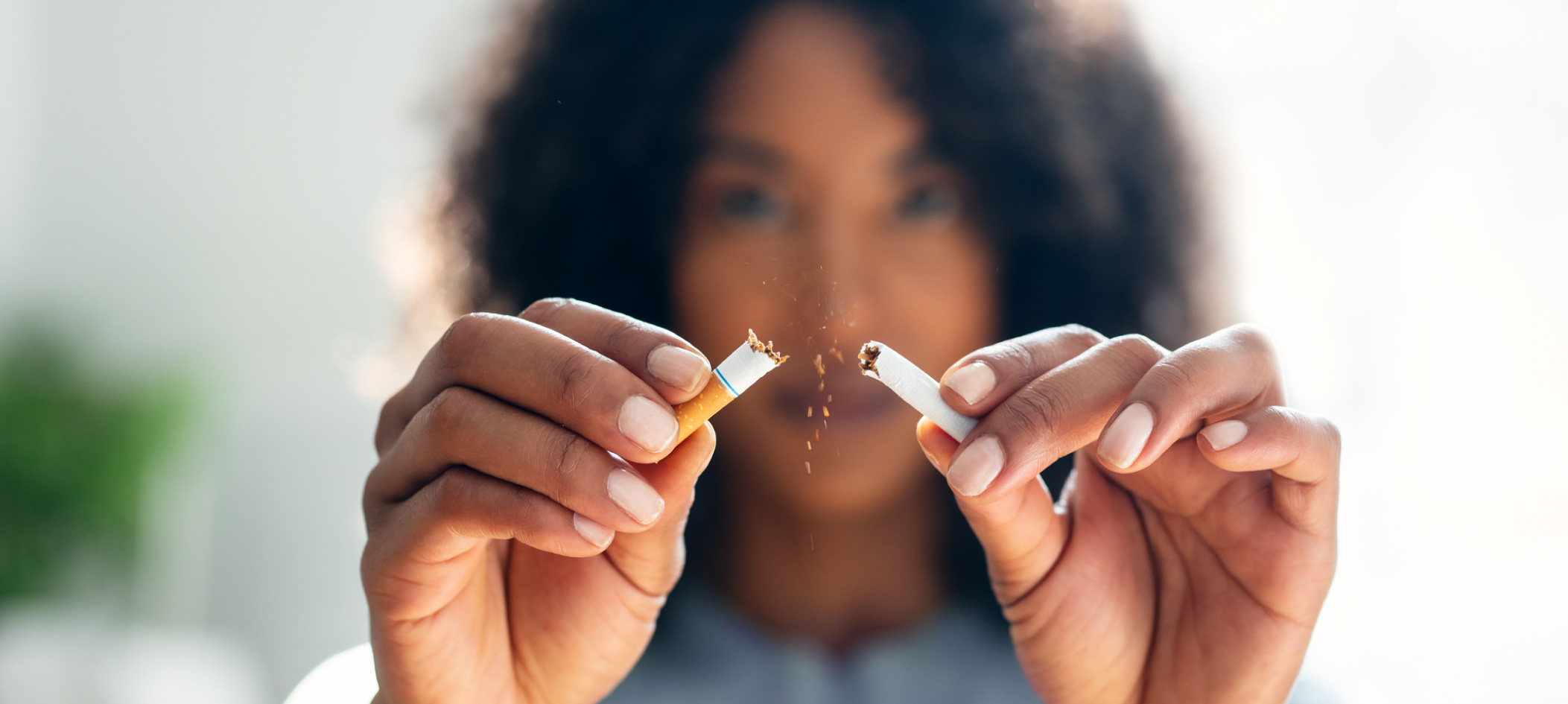
You've made up your mind: you want to stop smoking. Whether it's for your health, your wallet, your family... or simply because you've had enough of being hooked on cigarettes. Great decision! You're not alone (in fact, over 1 million people in Quebec smoke). Quitting smoking is a real challenge, both physically and psychologically. It takes willpower and also a good plan!
Fortunately, there are a number of tried-and-tested tools and approaches to support people who want to quit smoking. In this article, the Bonjour-santé nurses share practical advice to maximise your chances of success. Whether you're just starting out or in the middle of quitting, you'll find everything you need to keep you going.
We know you know... smoking is bad for your health. But we just can't, in good conscience, write an article on quitting smoking without talking about it. Here's a quick reminder before you jump into action. According to Association pulmonaire du Québec :
Before you take on the great challenge of quitting smoking, make a plan. Simple gestures and habits will significantly increase your chances of success. Here are a few suggestions:
Quitting smoking isn't just about saying goodbye to nicotine; it's also about rethinking your routine, reflexes and habits. There are many tools, medicines and tips available to help you as you take a big step towards better health.
Nicotine replacement therapies (NRT)
Available without a prescription, nicotine replacement products are sold under the brand names Thrive, Nicorette, Habitrol and Nicoderm, and come in a variety of forms to help you gradually reduce your dependence on nicotine:
Pro tip: Ask your pharmacist to help you choose the right product and the right dosage for your profile. Treatment generally lasts 8 to 12 weeks, but can be extended for up to 6 months.
Prescription drugs
When over-the-counter products aren't enough, certain prescribed medications can help manage withdrawal symptoms and reduce cravings more intensely. Talk to your doctor to see if one of these options is right for you.
Psychological and behavioural approaches
Nicotine, which is a stimulant, can lead to perceived effects of mental clarity and relaxation. A psychological approach and other treatments can help to kick the habit.
Changing your habits upon quitting smoking
Last but not least, giving up smoking also means changing your habits!
Need a little extra help? The INSPQ offers you a complete guide to resources. You are a Bonjour-santé member? You have access at all times to our team of nurses by chat or e-consult to discuss your health!