Health and well-being

Cold showers, ice baths and winter walks: boost your health with the cold

23/1/2026
6 min

It’s winter, the mercury is dropping below zero, we crank up the thermostat, jump into a hot bath, and cuddle up under cozy blankets… But what if the cold could be an ally rather than an enemy?

During the cold months, although our instinct is to chase warmth at all costs, a brief and intentional exposure to cold—through water or air—can have surprising effects on energy, mood, and even the body’s resilience.

Cold showers, ice baths/cold plunges, and winter walks are gaining popularity, and for good reason. When used wisely, they stimulate circulation, awaken the nervous and immune systems, and give a serious boost to overall well-being. That being said, they are great if you do them at your own pace and listening to your body.

Let’s explore how cold affects the body and how to embrace it safely.

1. Cold showers: the quick boost

You don’t need to jump into a frozen lake to experience the benefits of cold. A cold shower is often the most accessible entry point and easiest to integrate into your daily routine.

What’s so good about a cold shower? The thermal shock immediately activates the nervous system, stimulates circulation and triggers a hormonal reaction that wakes up both body and mind.

Key benefits of cold showers

  • Instant energy: Cold stimulates adrenaline and noradrenaline, boosting alertness and focus.
  • Improved circulation: Contraction and dilation of blood vessels help better oxygenate tissues.
  • Stress reduction: Endorphins are released, creating a sense of calm and well-being.
  • Immune support: Repeated cold exposure stimulates certain immune cells.
  • Firmer skin: Cold water tightens the skin and supports its elasticity.
  • Better sleep: In the evening, it helps lower body temperature, making it easier to fall asleep.

How to take a cold shower

  • Start with warm water, then finish with 15-30 seconds of cold.
  • Begin with your legs and gradually move upward.
  • Breathe slowly, it makes all the difference.
  • Consistency matters more than intensity.

A quick note of caution: If you have heart issues, high blood pressure, are pregnant, or recovering from illness, consult a healthcare professional first.

2. Ice baths and cold plunges: full immersion, powerful effects

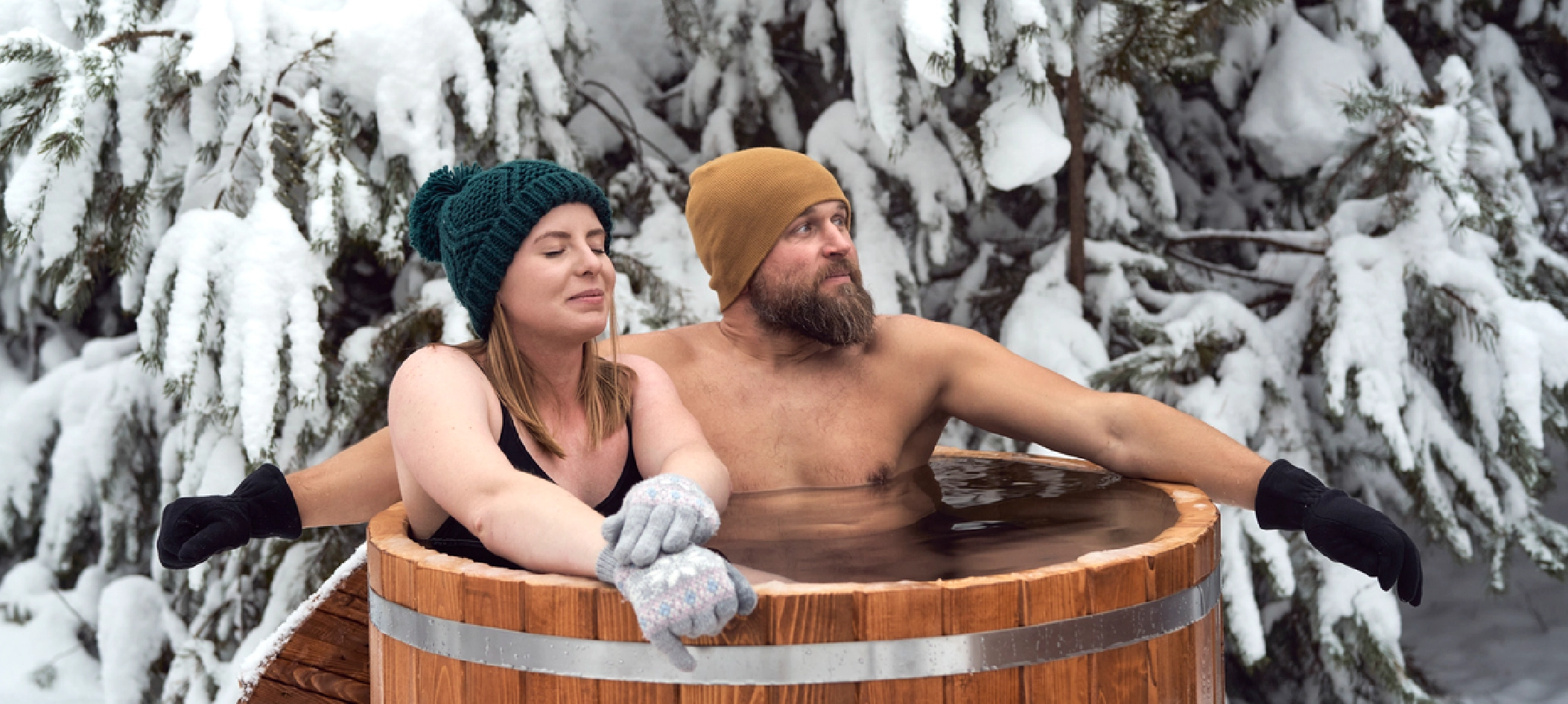
Ice baths, cold plunges or tubs, and winter lake swims take things to the next level. Full immersion in icy water triggers a stronger body response and potentially deeper benefits.

Prolonged cold exposure forces the body to adapt quickly: circulation increases, hormones are stimulated, there’s a temporary inflammatory response, followed by a restorative effect.

Key benefits of ice baths

  • Muscle recovery: Ice baths help reduce soreness and stiffness after training or unusual physical exertion.
  • Short-term stress relief: Many people report feeling calm for hours after a bath.
  • Better sleep: Occasional immersion may support deeper rest.
  • Mental resilience: Staying calm in the discomfort of icy water strengthens stress tolerance.
  • Metabolism boost: The body burns more energy to maintain its temperature.
  • Immune support (variable): Some studies suggest fewer sick days among regular practitioners.

How to take an ice bath

Here, you must exercise caution.

  • Start with 30-60 second baths, no longer.
  • Never jump in abruptly.
  • If bathing outdoors, have a companion for support or in case of dizziness.
  • Avoid ice baths if you have heart disease, diabetes or uncontrolled high blood pressure.
  • Exit immediately if you feel dizzy or unwell.

The million-dollar question: cold shower or ice bath?

A cold shower delivers an instant jolt: a few seconds are enough to stimulate circulation and wake up the body and mind. An ice bath requires a bit more courage but offers deeper and longer-lasting effects: more intense muscle recovery, stress reduction, and improved mental resilience. In short, the shower is perfect for a quick, daily boost, while the ice bath provides a full immersion for a more complete sense of well-being.

3. Winter walks: gentle exposure to cold

Less intimidating but just as effective, a winter walk combines movement, fresh air, and natural light.

Why walk in the cold? The body gradually warms up while enjoying the benefits of cold without the shock.

Key benefits of winter walks

  • Mood improvement: Fresh air and natural light help fight the winter blues.
  • Natural energy boost: The stimulating effect can last for hours.
  • Immune support: Moderate walking stimulates immune cells.
  • Increased calorie burn: The body works harder to stay warm.
  • Better sleep: Cold exposure helps regulate body temperature.
  • Mental clarity: Walking in a quiet winter landscape calms the mind.
  • Deeper breathing: Winter air is often cleaner and less allergenic.

Simple tips for winter walks

  • Dress in layers.
  • Maintain a steady but comfortable pace.
  • Aim for 20-45 minute walks.
  • Enjoy the scenery (it’s often magical in winter!)

Embracing the cold wisely

Cold isn’t a miracle cure, but when used correctly, it can become a powerful tool to support energy, mood, and vitality. Between cold showers, ice baths and simple winter walks, the choice is yours, as long as you respect your body, your pace, and your limits.

25%
discount on an evaluation by a dietitian-nutritionist
Need nutritional counselling, support or plan? Book an appointment with our ÉquipeNutrition partner in just a few clicks. E-consult or in person.

Paid service, 25% discount on the evaluation.
Ask questions to our dietitians-nutritionists - FREE for members
This service is ideal for members who have quick questions or need general advice that do not require a nutritional evaluation, counselling or follow-up.

Questions are answered within 72 h.
Health and well-being

Accessing specialised care, with the right support

Bonjour-santé
|
6/2/2026
4 min

Losing weight: 5 tips to kickstart your journey successfully

Bonjour-santé
|
5/2/2026
6 min

Cold showers, ice baths and winter walks: boost your health with the cold

Bonjour-santé
|
23/1/2026
6 min