It’s winter, the mercury is dropping below zero, we crank up the thermostat, jump into a hot bath, and cuddle up under cozy blankets… But what if the cold could be an ally rather than an enemy?
During the cold months, although our instinct is to chase warmth at all costs, a brief and intentional exposure to cold—through water or air—can have surprising effects on energy, mood, and even the body’s resilience.
Cold showers, ice baths/cold plunges, and winter walks are gaining popularity, and for good reason. When used wisely, they stimulate circulation, awaken the nervous and immune systems, and give a serious boost to overall well-being. That being said, they are great if you do them at your own pace and listening to your body.
Let’s explore how cold affects the body and how to embrace it safely.
You don’t need to jump into a frozen lake to experience the benefits of cold. A cold shower is often the most accessible entry point and easiest to integrate into your daily routine.
What’s so good about a cold shower? The thermal shock immediately activates the nervous system, stimulates circulation and triggers a hormonal reaction that wakes up both body and mind.
Key benefits of cold showers
How to take a cold shower
A quick note of caution: If you have heart issues, high blood pressure, are pregnant, or recovering from illness, consult a healthcare professional first.
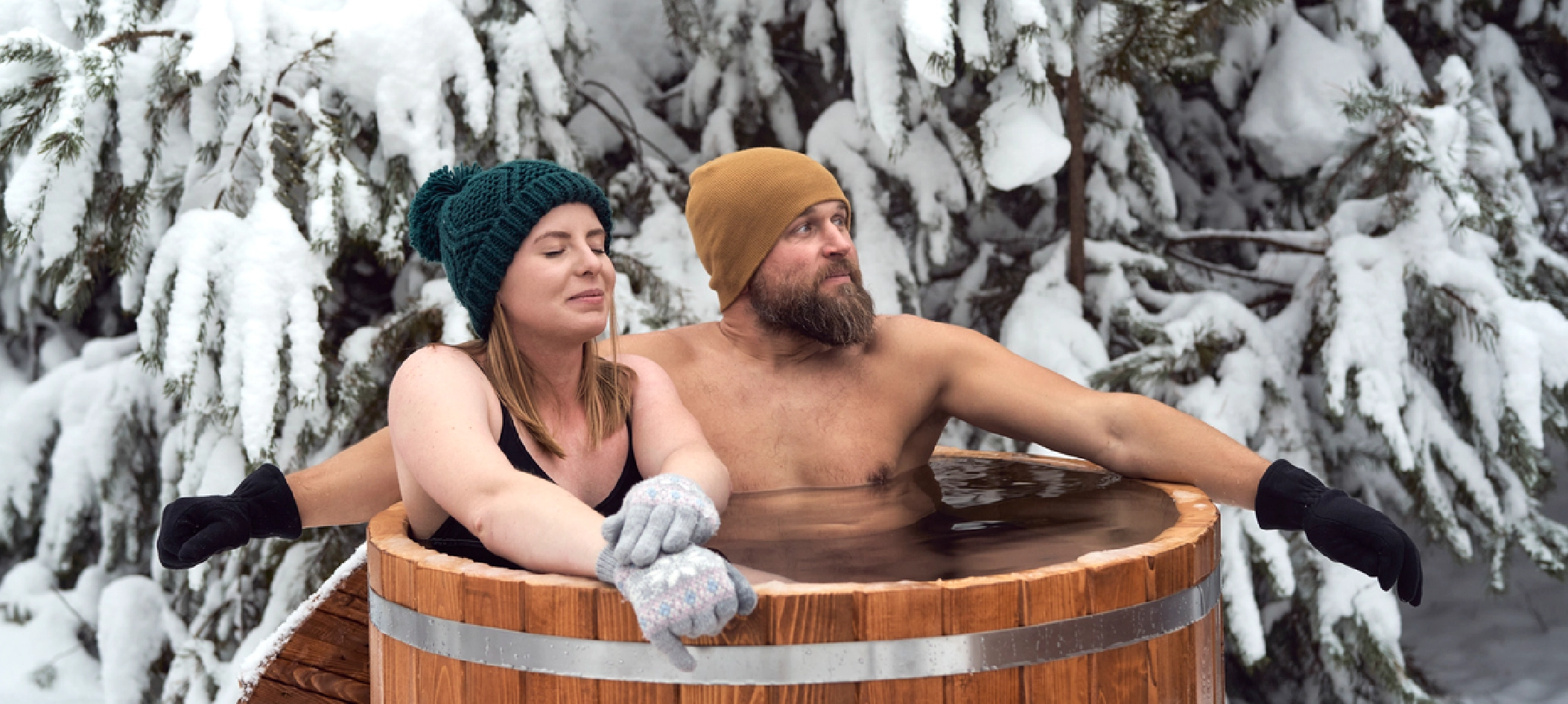
Ice baths, cold plunges or tubs, and winter lake swims take things to the next level. Full immersion in icy water triggers a stronger body response and potentially deeper benefits.
Prolonged cold exposure forces the body to adapt quickly: circulation increases, hormones are stimulated, there’s a temporary inflammatory response, followed by a restorative effect.
Key benefits of ice baths
How to take an ice bath
Here, you must exercise caution.
The million-dollar question: cold shower or ice bath?
A cold shower delivers an instant jolt: a few seconds are enough to stimulate circulation and wake up the body and mind. An ice bath requires a bit more courage but offers deeper and longer-lasting effects: more intense muscle recovery, stress reduction, and improved mental resilience. In short, the shower is perfect for a quick, daily boost, while the ice bath provides a full immersion for a more complete sense of well-being.
Less intimidating but just as effective, a winter walk combines movement, fresh air, and natural light.
Why walk in the cold? The body gradually warms up while enjoying the benefits of cold without the shock.
Key benefits of winter walks
Simple tips for winter walks
Embracing the cold wisely
Cold isn’t a miracle cure, but when used correctly, it can become a powerful tool to support energy, mood, and vitality. Between cold showers, ice baths and simple winter walks, the choice is yours, as long as you respect your body, your pace, and your limits.
What are the benefits of cold plunges, cold baths and cold showers?

Is it safe to take a cold bath or do a cold plunge?
Can winter walks replace cold showers or baths?