Walking barefoot by the pool, slipping on sandals after the spa, using shared showers at the gym… with summer arriving, our feet are exposed more than ever. And where there’s heat and moisture, there’s also the perfect environment for plantar warts.
Very common, sometimes painful, and highly contagious, they can quickly take the fun out of walking comfortably. The good news? With the right habits, they can be prevented and treated effectively.
Here’s everything you need to know to recognise, prevent, and treat plantar warts.
Plantar warts are small skin growths caused by the human papillomavirus (HPV). The virus infects the skin, usually entering through tiny cuts or cracks on the bottom of the foot.
Unlike warts on the hands, plantar warts tend to be flatter and harder. Why? Because pressure from walking pushes them inward into the skin.
Even though they’re benign, they are:
In some cases, they disappear on their own after a few months, or even up to one or two years. But in the meantime, they can be uncomfortable and spread to others.
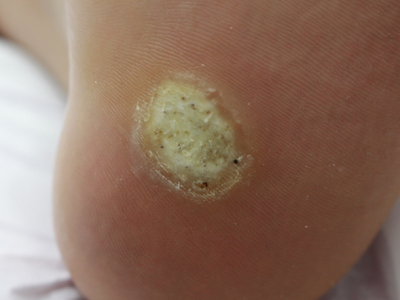
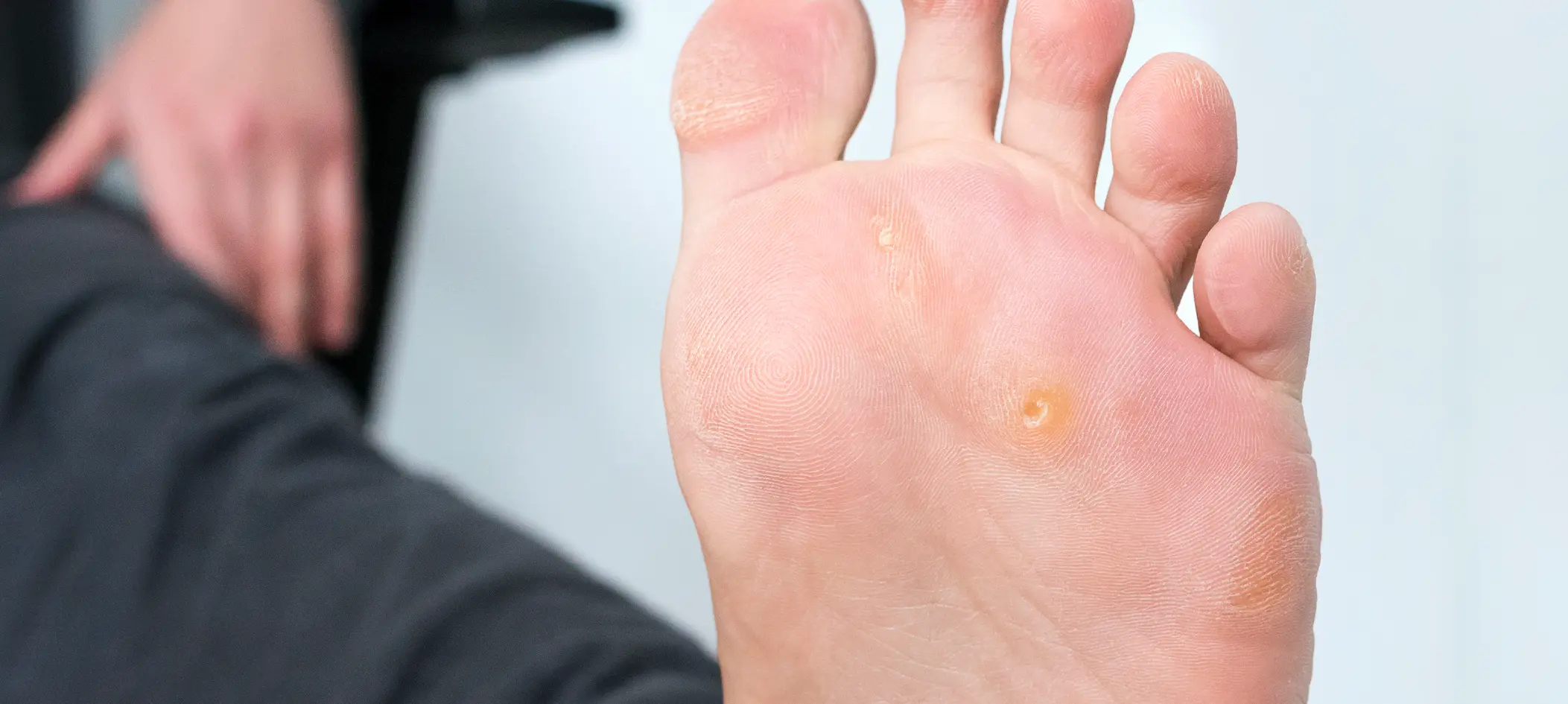
Plantar warts can be subtle at first and become more noticeable over time.
Common signs include:
Some warts can also affect your walking pattern, leading to discomfort in other areas of the foot or ankle.
Types of plantar warts
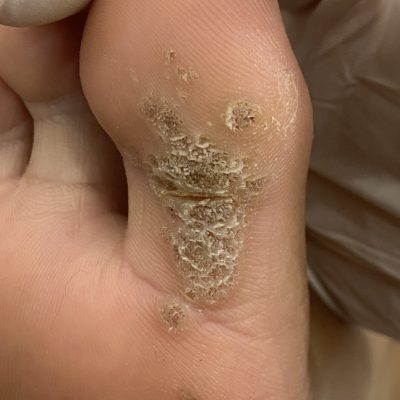
Not all plantar warts look the same. The two main types are:
Single wart (myrmecia)
Mosaic warts
Regardless of type, they can grow or multiply if left untreated.
Since plantar warts are caused by a viral infection, they can spread in several ways:
HPV can also remain dormant for weeks or months before appearing.
Some people are more likely to develop plantar warts:
A large portion of the population will experience them at least once in their lifetime.
Prevention really is key when it comes to plantar warts. A few simple habits can significantly reduce your risk.
In public places:
At home:
To prevent spreading:
These habits are especially important in summer, when warm and humid environments help the virus survive.
While some warts disappear on their own, several treatments can speed up recovery.
Over-the-counter (at-home) treatments
The most common options are salicylic acid-based products:
To improve effectiveness:
Other options include:
Professional treatments
If the wart persists or becomes painful, a healthcare professional may recommend:
Early treatment also helps prevent spreading to other areas or other people.
When in doubt, don’t hesitate to consult a doctor, podiatrist, nurse, or your local pharmacist, especially if:
Proper care helps avoid complications and speeds up healing.
Where to start? Visit the Bonjour-santé website to find an appointment with your family doctor or a walk-in clinic in your area. You can also chat with the AI assistant BonsAi directly through the platform; just describe your symptoms and it will guide you to the right care.
Finally, the Bonjour-santé membership also gives you access to a wide range of healthcare services: unlimited e-consults with Bonjours-santé nurses, virtual consultations with pharmacists to get prescriptions from home, an online dermatology analysis tool, help in finding appointments with specialists (including podiatrists and dermatologists), exclusive discounts on private healthcare services, and more.
Are plantar warts a sexually transmitted infection?

Can plantar warts bleed?
What is the difference between a plantar wart and a corn?