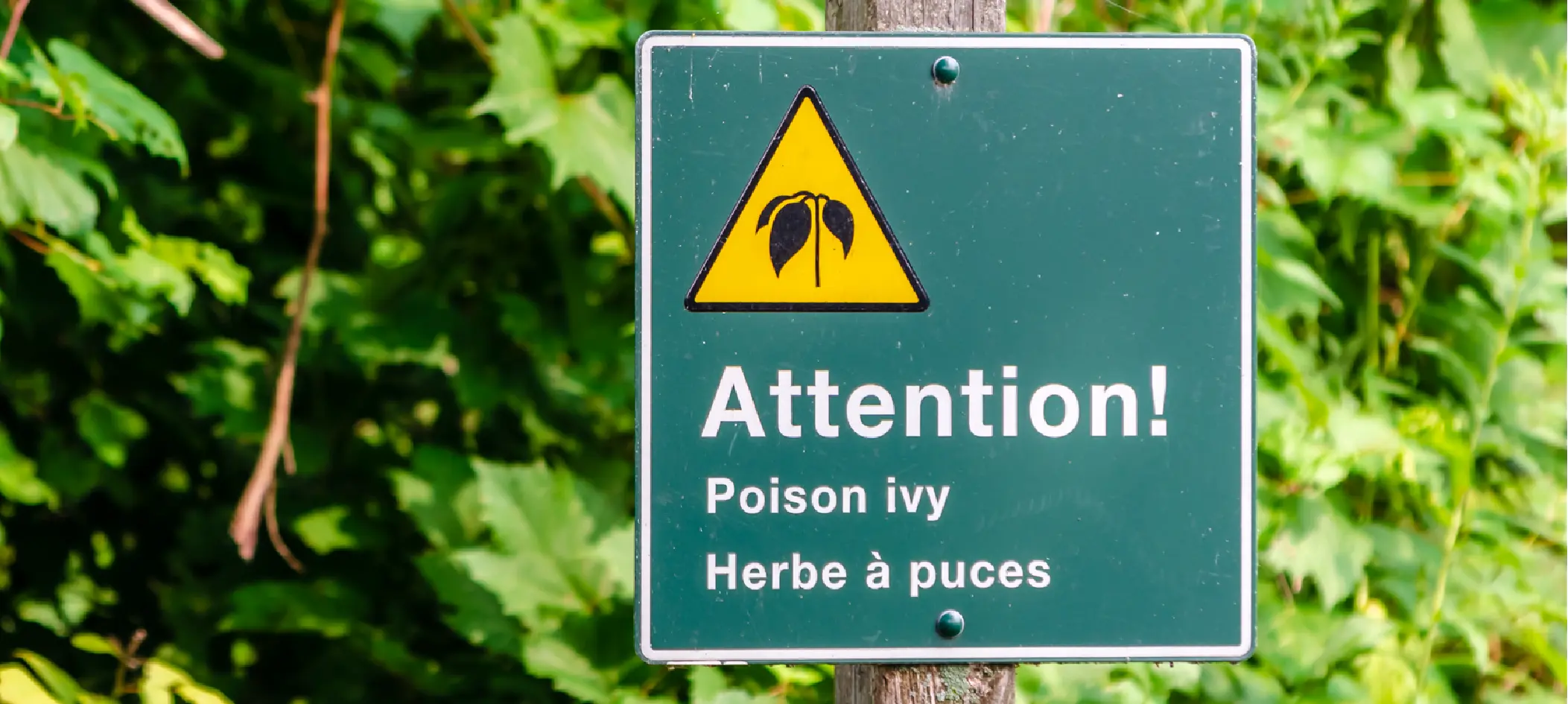
Here we go again! Every summer, two plants make a solid comeback, seemingly intent on making the warm season a tad less enjoyable. We give you our villains: poison ivy and ragweed.
While they often get mixed up (probably the result of blanketed hatred), these two plants are quite different. One can leave you with an intensely itchy rash. The other releases clouds of microscopic pollen that can turn late summer into weeks of sneezing, congestion, and watery eyes.
They don’t look alike, they don’t affect the body the same way, and they definitely don’t require the same kind of treatment, but they do have one thing in common: pretty much everyone wants to avoid them.
In this article, we’ll cover how to recognise poison ivy and ragweed, where they tend to grow, what reactions they can cause, and how to protect yourself so you can enjoy summer with fewer unpleasant surprises.
Poison ivy
Poison ivy is a toxic plant that affects the skin upon contact. It can grow as a shrub or a climbing vine (hence, the “ivy”).
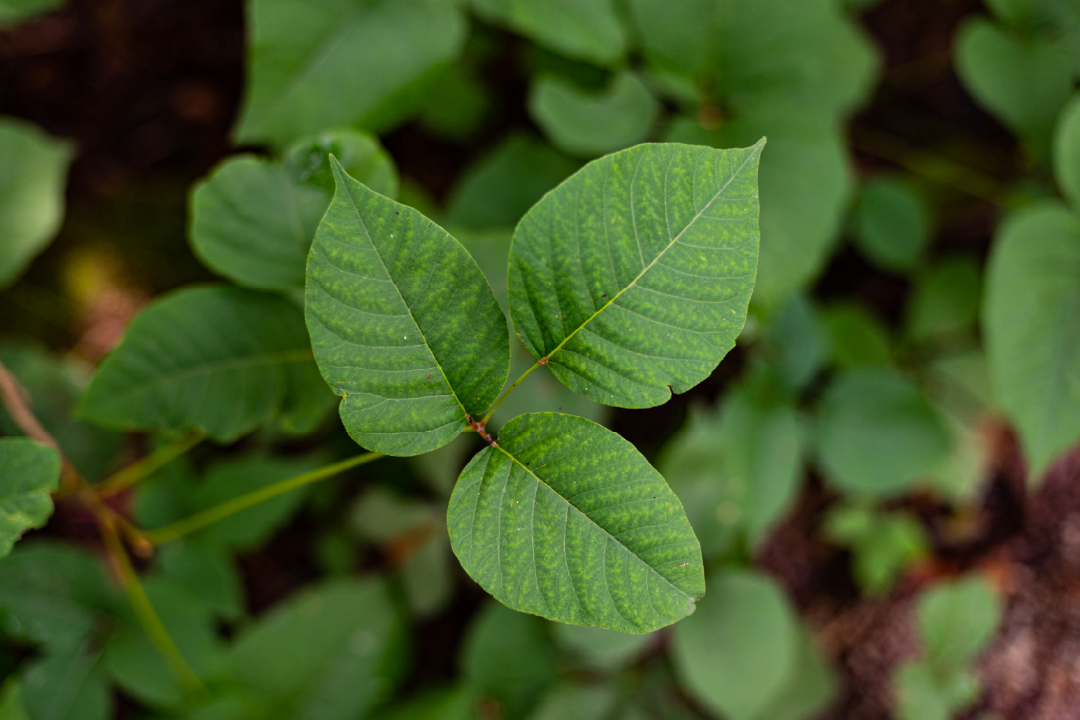
Key identification features:
Important to know:
Ragweed
Ragweed is a highly common weed and one of the main causes of end-of-summer seasonal allergies.
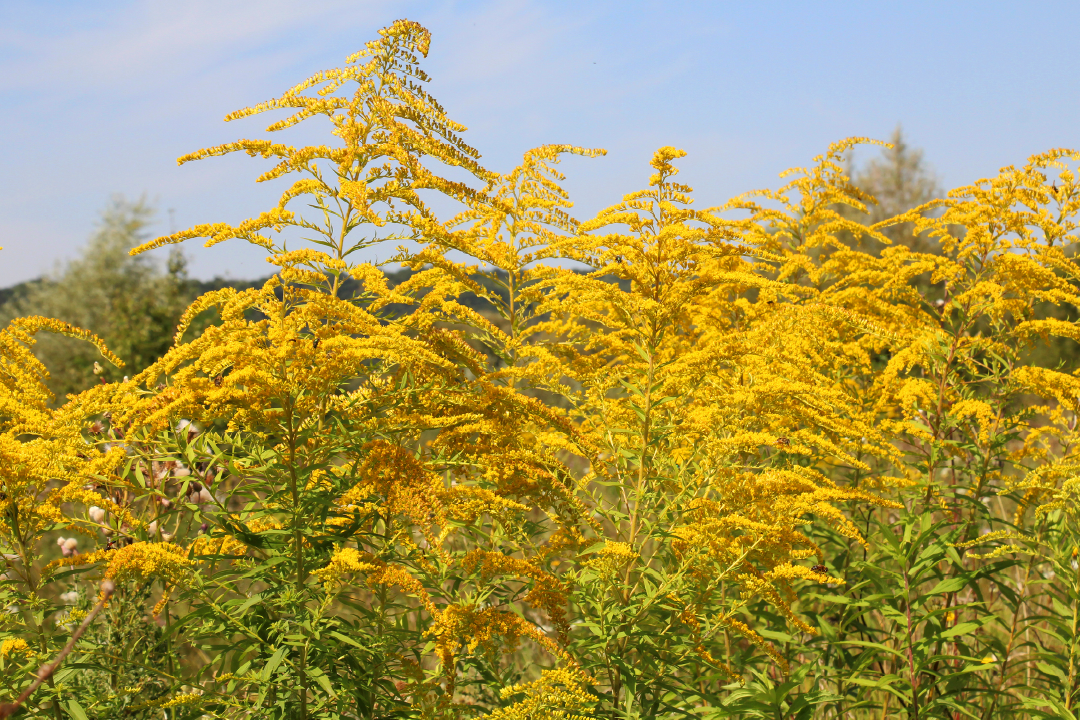
Key identification features:
Interesting facts:
Although they are found in several Canadian provinces, poison ivy and ragweed are particularly widespread in Quebec and Ontario. However, they do not thrive in exactly the same environments.
Poison ivy
Commonly found in:
Ragweed
Commonly found in disturbed soil and poorly maintained areas. :
The most significant difference between these two plants lies in their effects on health.
Poison ivy reaction
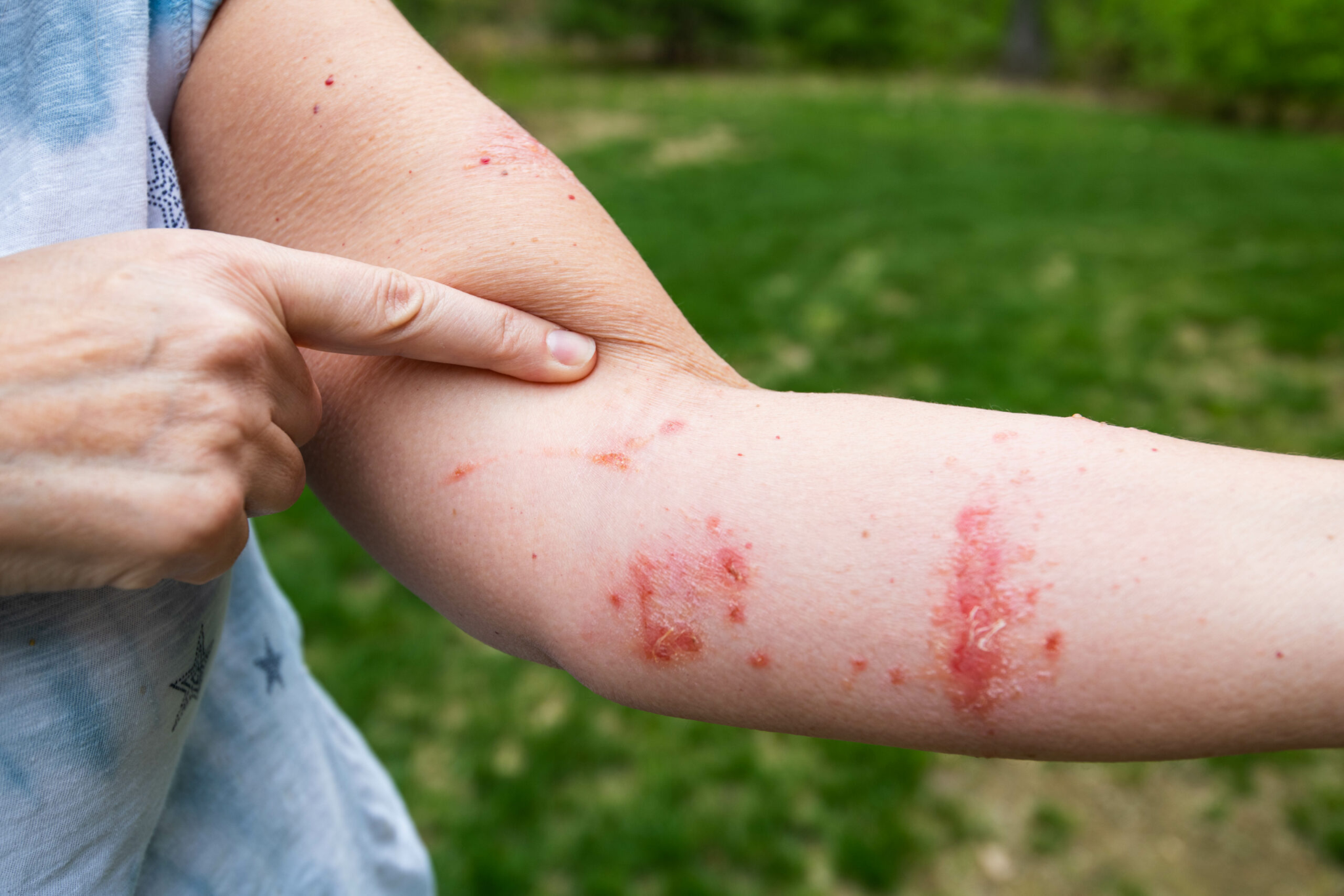
Source: ivarest.com
Contact with poison ivy can cause an allergic skin reaction triggered by urushiol.
Common symptoms:
Key facts:
Ragweed allergy reaction
Unlike poison ivy, ragweed does not cause a reaction through skin contact, but rather through the inhalation of pollen. At the end of summer, the plant releases huge quantities of microscopic pollen into the air. As a result, even if you cannot see the plant, you can breathe in its pollen and develop allergy symptoms.
Common symptoms:
Key periods:
Prevention: poison ivy
Prevention: ragweed
How to treat poison ivy
A poison ivy reaction can be very uncomfortable, but in most cases, the rash heals on its own within a few weeks. Treatment mainly focuses on relieving itching, reducing inflammation, and preventing complications such as infections.
What to do quickly after contact
If you think you may have touched poison ivy, it’s important to act quickly to help limit the reaction.
Here are the first recommended steps:
Urushiol can remain active on surfaces for a long time. Even an object contaminated months earlier can still trigger a reaction.
Several home remedies and over-the-counter treatments can help relieve symptoms:
It’s also important to avoid scratching the rash, as this can increase the risk of bacterial infection.
Consult a healthcare professional if the reaction is severe, covers a large area, affects the face or eyes, shows signs of infection (such as pus or fever), or worsens after a few days. In some cases, prescription treatments such as corticosteroids may be necessary.
Because ragweed primarily causes respiratory symptoms related to pollen exposure, treatment focuses on controlling seasonal allergies and reducing exposure to pollen.
Several over-the-counter pharmacy treatments can help relieve symptoms.
Antihistamines
Antihistamines can help relieve several symptoms associated with ragweed allergies, including sneezing, itching, a runny nose and irritated eyes. Commonly used antihistamines include:
Nasal sprays and decongestants
Nasal corticosteroids are often very effective at reducing inflammation and congestion. Common examples include:
Decongestants can also be used for short-term relief, but some nasal sprays should not be used for more than a few consecutive days.
You can also consult your local pharmacist at any time for advice on allergy treatments.
Simple tips to reduce symptoms
A few everyday habits can make a significant difference during pollen season:
Some people also use nasal rinses to help clear pollen that has accumulated in the airways.
Sure, poison ivy and ragweed are indeed familiar summer troublemakers that can seriously mess with your time outdoors. That being said, once you know how to spot them, dodge them and deal with the symptoms, you’ll be one step ahead and ready to fully enjoy your summer!
Can a poison ivy rash spread across the skin over time?

Does everyone react the same way to poison ivy?
Is a reaction to ragweed more dangerous than other plant allergies?